earn cybersecurity basics and why protecting your data online is more important than ever.
What is Cybersecurity?
Common Cyber Threats
How to Stay Safe Online
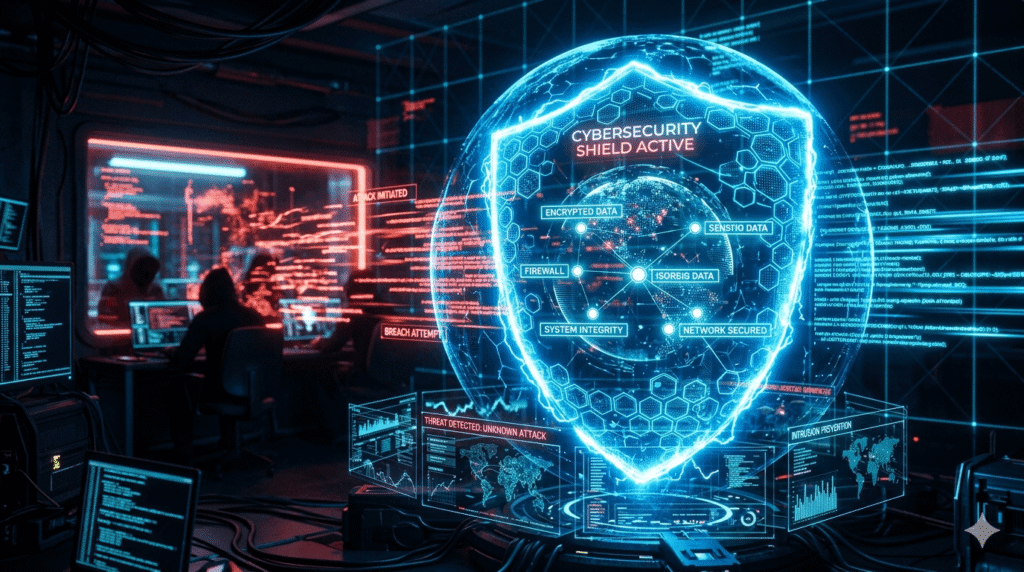
With increasing digital threats, cybersecurity has become essential for everyone using the internet.
In today’s digital world, protecting your personal and business data is more important than ever. With the rapid rise in cyber threats, cybersecurity has become essential for anyone using the internet. From online banking to social media, every digital interaction carries potential risks.
This guide will help you understand what cybersecurity is, common cyber threats, and how to stay safe online in 2026.
What is Cybersecurity?
Cybersecurity refers to the practice of protecting systems, networks, and data from digital attacks. These attacks are designed to access, steal, or damage sensitive information.
Cybersecurity includes:
- Network security
- Application security
- Data protection
- Cloud security
Whether you are an individual, small business, or large organization, cybersecurity helps keep your digital assets safe from hackers and cybercriminals.
keywords: what is cybersecurity, cybersecurity basics, data protection online
Common Cyber Threats in 2026
As technology evolves, cyber threats are becoming more advanced and harder to detect. Here are the most common types of cyber attacks you should be aware of:
Phishing Attacks
Fraudulent emails or messages that trick users into revealing sensitive information like passwords or credit card details.
Malware
Malicious software designed to damage or gain unauthorized access to your system. This includes viruses, ransomware, and spyware.
Ransomware
A type of malware that locks your data and demands payment to restore access.
Data Breaches
Unauthorized access to confidential data, often affecting businesses and large platforms.
Identity Theft
When someone steals your personal information to commit fraud or other crimes.
keywords: cyber threats 2026, phishing attacks, ransomware, malware examples
Why Cybersecurity Matters More Than Ever
Cybersecurity is no longer optional—it’s a necessity. Here’s why:
- Increased Online Activity: More people are working, shopping, and communicating online
- Growing Cybercrime: Hackers are using advanced tools and AI-based attacks
- Financial Risks: Data breaches can lead to huge financial losses
- Privacy Protection: Personal information is constantly at risk
Ignoring cybersecurity can result in serious consequences, including data loss, financial damage, and identity theft.
keywords: importance of cybersecurity, why cybersecurity matters, online safety
How to Stay Safe Online
Protecting yourself online doesn’t have to be complicated. Follow these simple cybersecurity best practices:
Use Strong Passwords
Create unique passwords with a mix of letters, numbers, and symbols.
Enable Two-Factor Authentication (2FA)
Adds an extra layer of security to your accounts.
Avoid Suspicious Links
Don’t click on unknown links in emails or messages.
Keep Software Updated
Regular updates fix security vulnerabilities.
Use Antivirus and Security Tools
Install trusted security software to detect and prevent threats.
Secure Your Wi-Fi Network
Use strong encryption and change default passwords.
keywords: how to stay safe online, cybersecurity tips, internet safety tips
Future of Cybersecurity
With the rise of AI and digital transformation, cybersecurity will continue to evolve. Businesses are investing in:
- AI-powered threat detection
- Zero-trust security systems
- Advanced encryption technologies
Staying informed about these trends will help you stay protected in the future.
Final Thoughts
Cybersecurity is essential in today’s connected world. Understanding the basics and taking preventive measures can help you avoid major risks and keep your data secure.
As cyber threats continue to grow in 2026, staying proactive is the key to online safety.